Finishes · No. 01 of 11
Roman clay walls in Los Angeles
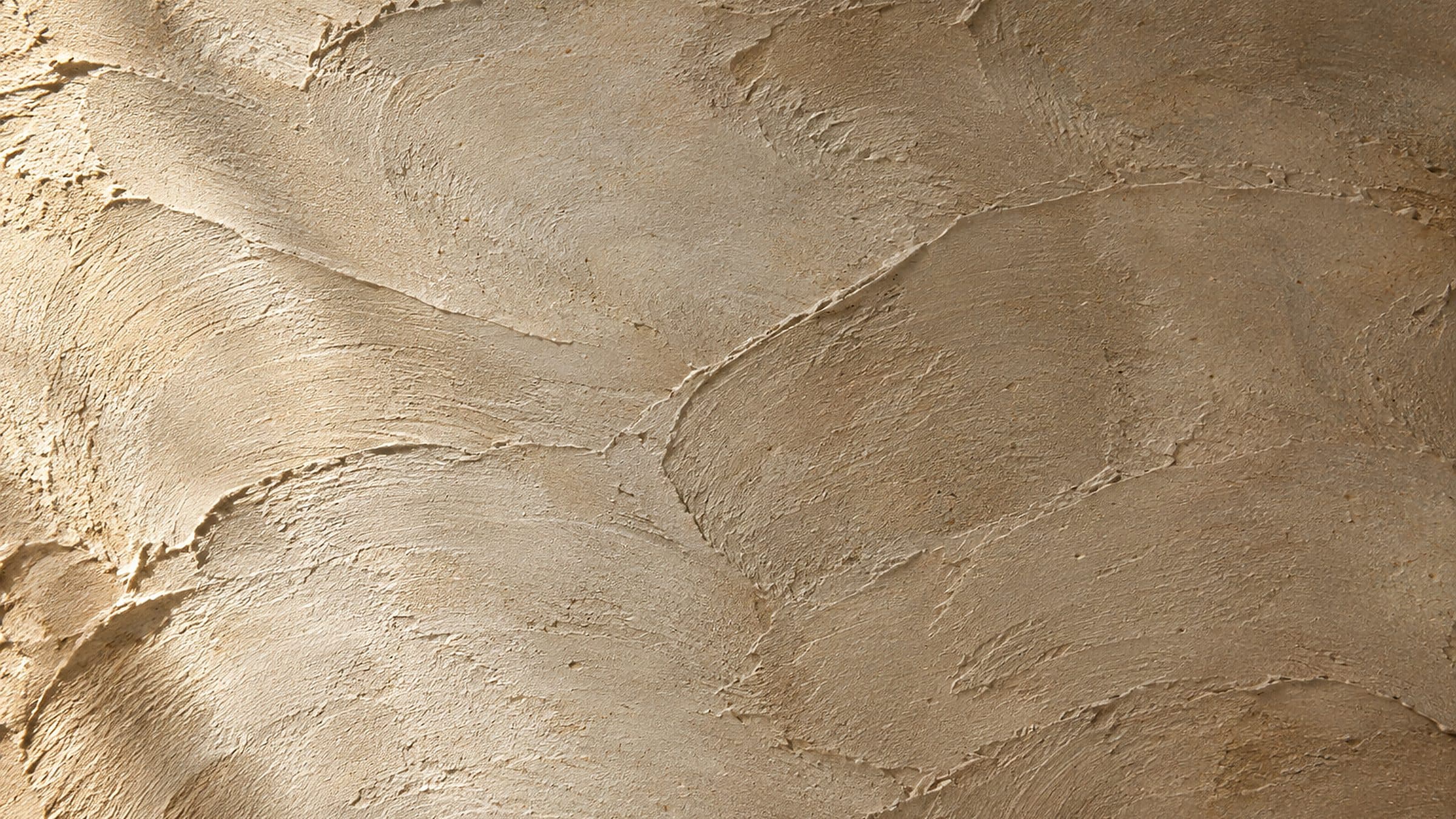
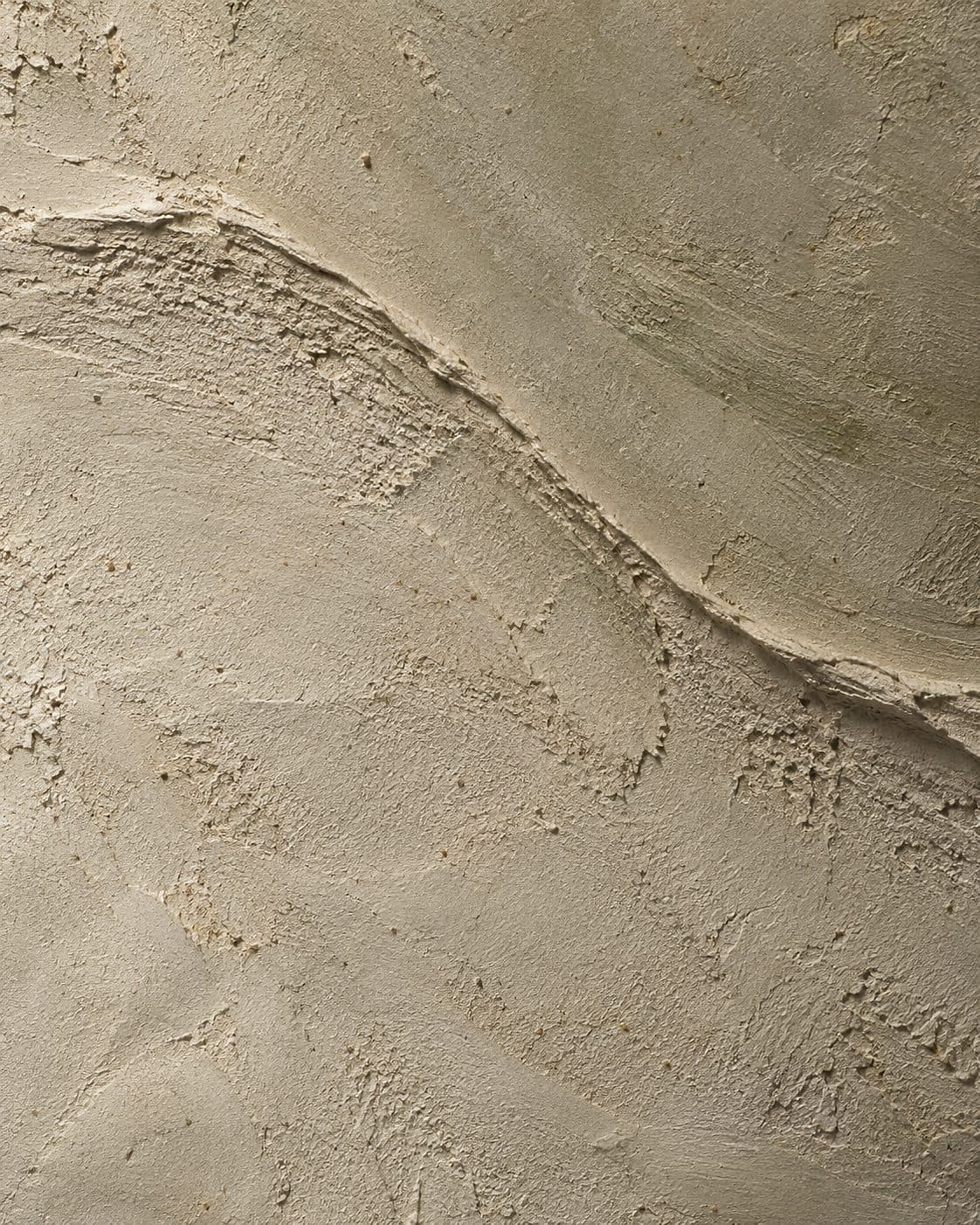
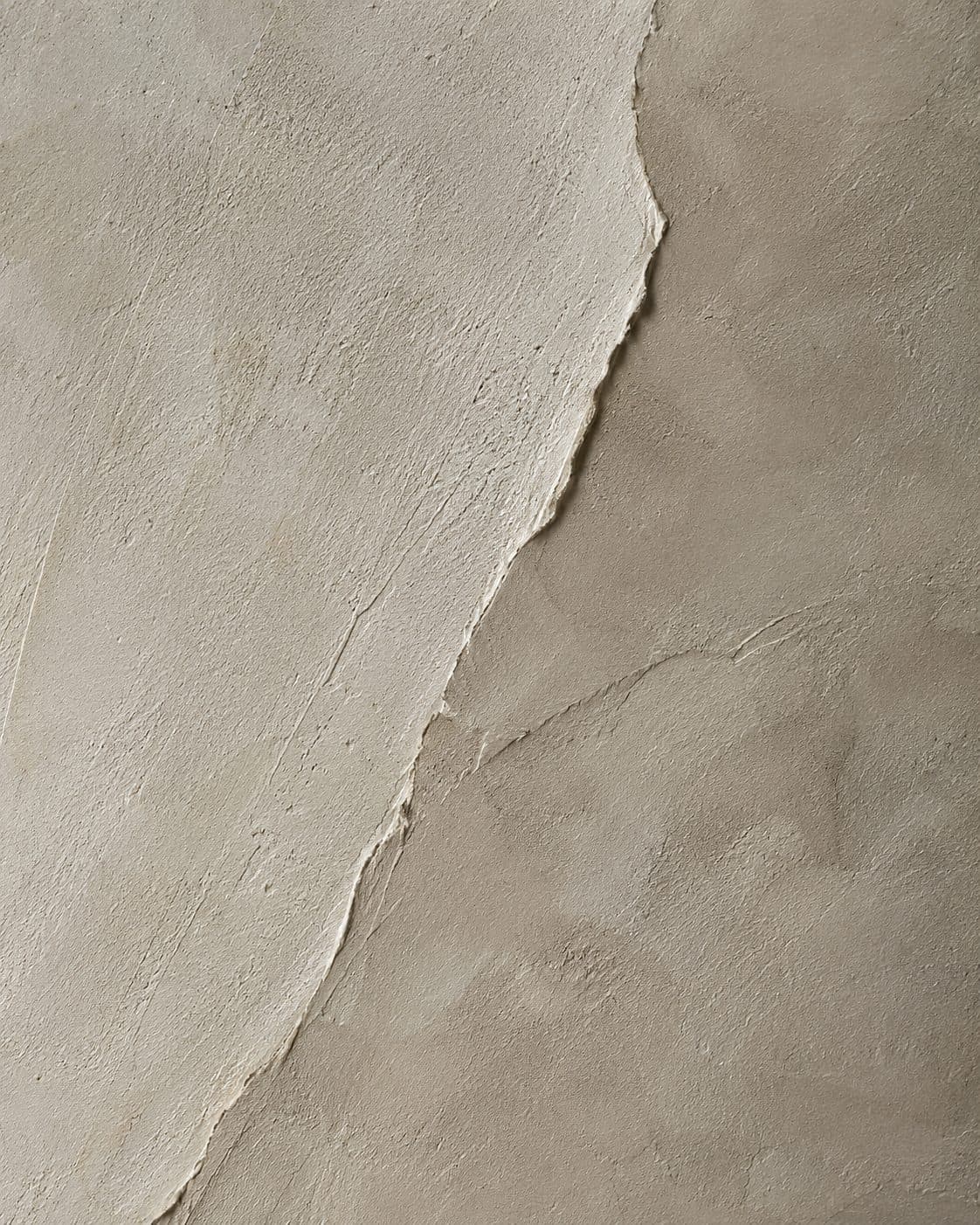
A lime-based clay finish troweled in several thin passes and burnished by hand. Matte, warm, and full of movement: the surface most people mean when they say they want plaster walls.
Architectural finishes26 colours


What it is
Fine lime and marble-dust plaster, tinted through the body rather than painted on the face, applied in two or three passes with a steel trowel. Each pass is burnished while it sets, which is what produces the soft sheen and the tonal drift across a wall.
“Tinted through the body and burnished by hand. The tone drifts across a wall, which is the point of it.”
Where it works
Living rooms, bedrooms, entries and hallways; feature walls and whole interiors. It takes a sealed top coat well enough for kitchens and restaurants, and we specify a harder-wearing sealant where a wall is going to be touched all day.
What to expect
Sample boards in your own light first. Then substrate preparation and priming, base and finish coats, and a protective seal. A feature wall is usually two to four days on site including cure time between coats.
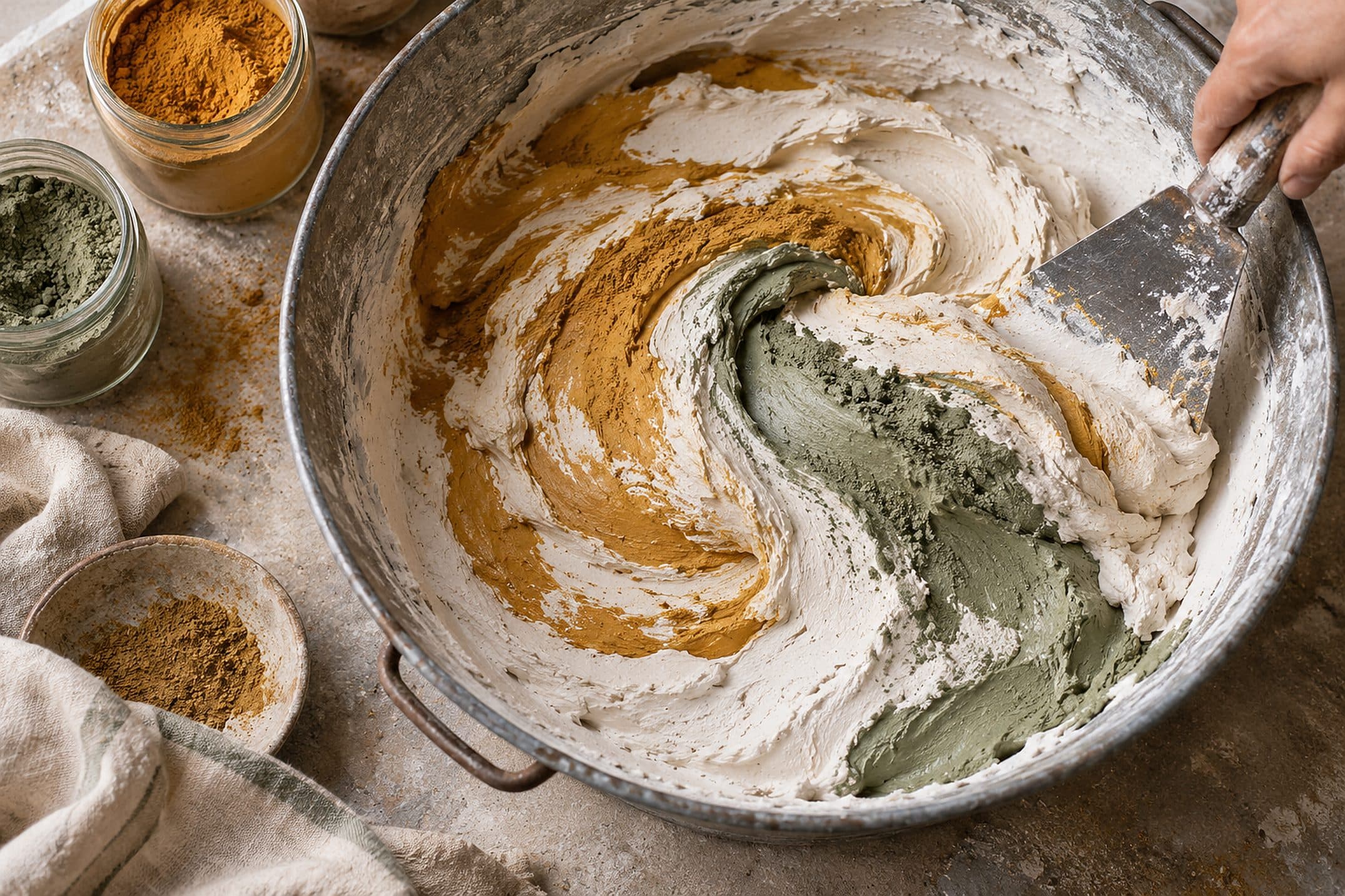
“Every colour is mixed here rather than bought off a card.”
The colour range
Roman Clay in 26 colours
Rendered, not photographed · indicative only
Whites & lime4




Sands & clays6






Blush & rose2


Earth & rust5





Greens3



Blues2


Greys & stone2


Deeps2


Every colour here is the studio’s own, and every swatch is drawn from its hex value rather than photographed. Screens differ, and so does the light in your room, so we make sample boards on site before anything goes on a wall, and that is what the colour is decided from.
Where we have used it
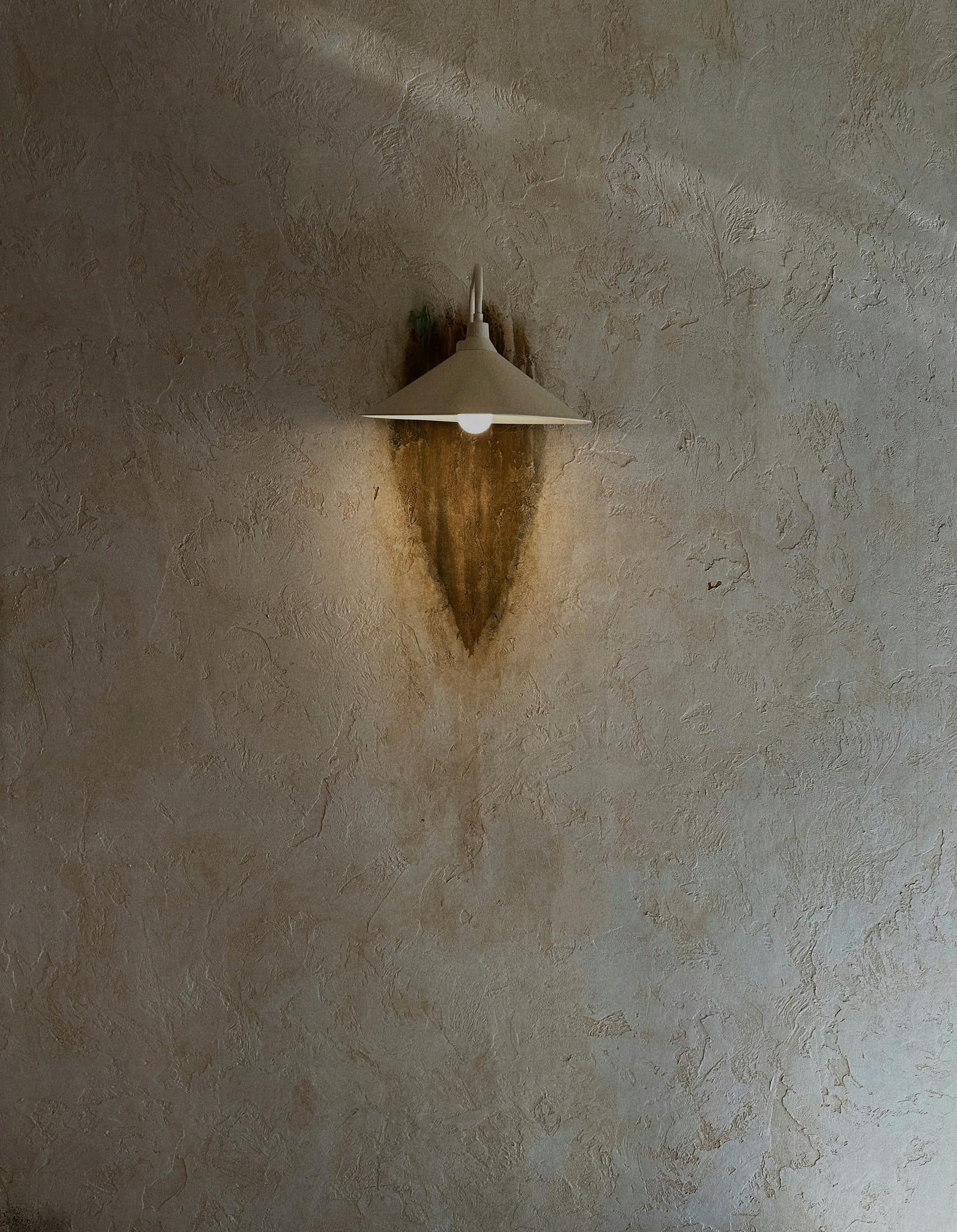 Roman Clay Feature WallClay & Calm
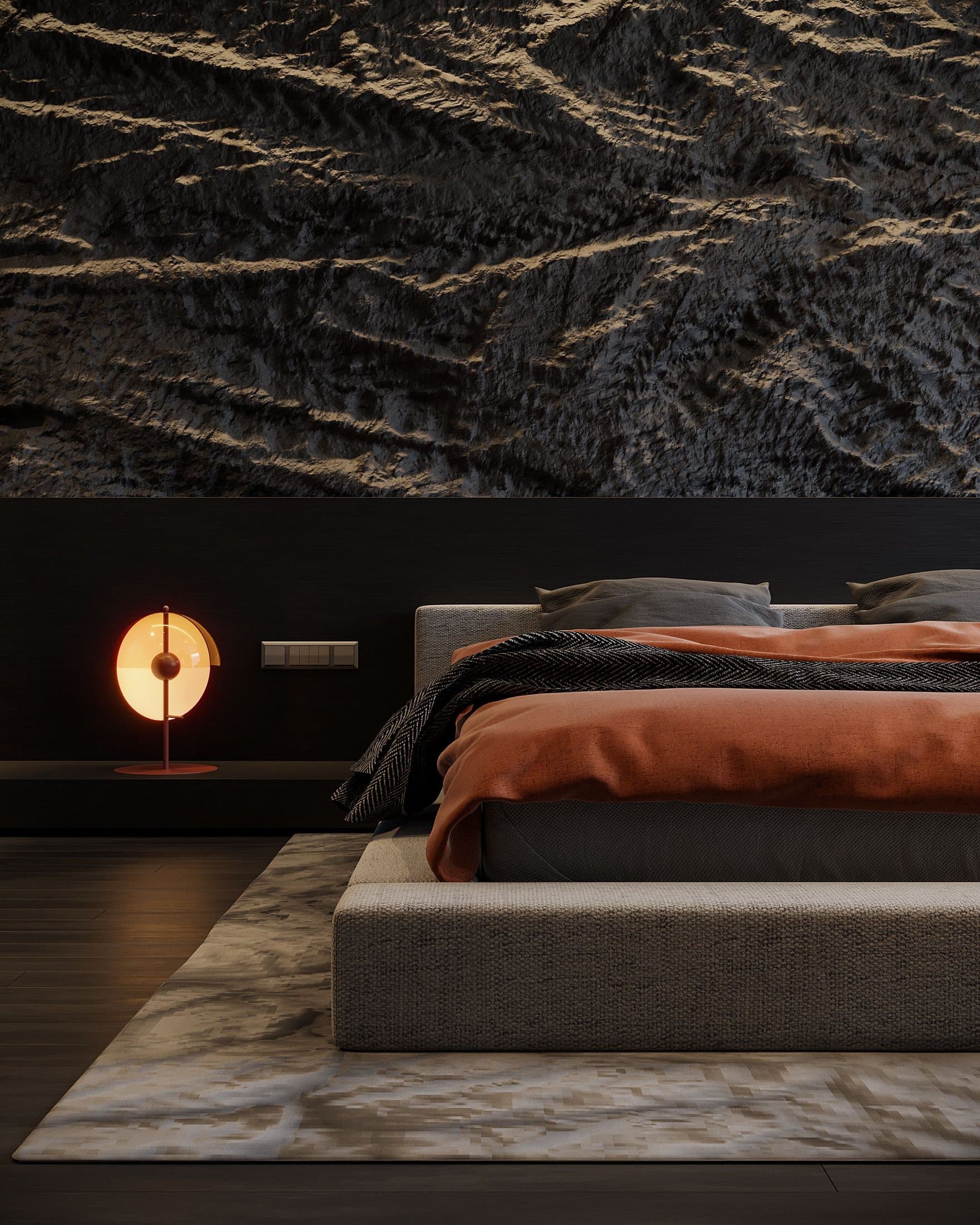 Living Room & Feature WallThe Dark House
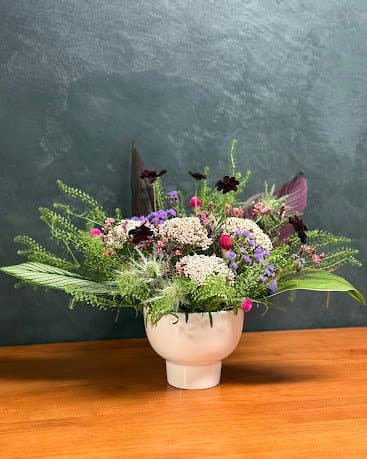 Floral Studio & Plant ShopNysa Botanica
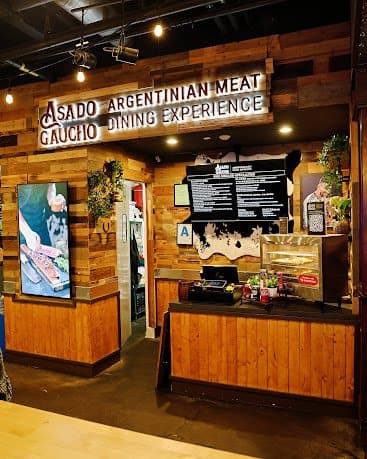 Restaurant & CateringAsado Gaucho
The other finishes
Limewash·Marmorino·Intonaco·Microcement·Tonachino·Béton Ciré·Stone Effect·Venetian Plaster·Tadelakt·Travertine Plaster
Ask about Roman Clay →